
In the complex equation of animal health and productive efficiency, few challenges cast as long a shadow as Bovine Respiratory Disease (BRD).
 It is the most common and costly health problem in calves, affecting animals in all production systems and, despite decades of vaccination programs, facility improvements, and antimicrobial use, it remains persistently prevalent.
This persistence is not due to a lack of effort, but to the complexity of the disease itself.
BRD is not a single pathology, but a multifactorial syndrome —a convergence of pathogens, environmental conditions, management decisions, and immunological dynamics—.
 Addressing it effectively requires abandoning linear thinking and adopting a systemic perspective.
UNDERSTANDING THE BOVINE RESPIRATORY COMPLEX
BRD is the clinical result of a multi-stage process.
|
|
 |
These pathogens damage the respiratory epithelium and suppress immunity, leaving the animals vulnerable. |
|
|
The resulting lung lesions hinder gas exchange and reduce appetite and energy balance, triggering a decline in animal welfare and performance. |
 Initially, the calf is exposed to viral agents such as:
 Bovine respiratory syncytial virus (BRSV)
 Subsequently,
 These pathogens are necessary but not decisive, with most of them being present endemically in the herd.
 Ultimately, it will be the calf’s immune response capacity and the stress load at a given time that will determine whether the infection progresses to disease.
ECONOMIC IMPACT: VISIBLE AND HIDDEN LOSSES
The economic cost of BRD goes far beyond mortality or treatments, as subclinical disease —that without obvious symptoms— is a particularly insidious source of loss.
 Studies with thoracic ultrasound reveal that 30-40% of calves may have lung consolidations without clinical signs and therefore suffer its impact.
|
Calves affected by BRD may gain up to 16 kg less at weaning and treatment costs can exceed €25 per animal during rearing.
|
 This, coupled with much higher culling rates —which often reach 29%—, can imply a economic impact of €70-100/calf –considering the total economic cost associated with the disease at the individual level (reduced growth, increased feed consumption, veterinary treatments, mortality, and carcass devaluation).
IMMUNITY IN CALVES: AN INHERENT VULNERABILITY
A decisive factor in susceptibility to BRD is the state of the calf’s immune system, which is born immunologically immature because the bovine placenta prevents the transfer of antibodies during gestation.
 The only source of passive immunity at birth is the intake of colostrum.
The failure of passive transfer (FPT), defined as serum IgG levels <10 g/L in the first 24–48 hours, significantly increases the risk of BRD (calves are 3-9.5 times more likely to become ill).
 Mortality is five times higher in these animals and vaccine efficacy is notably reduced).
|
Reducing the risk of BRD requires a precise administration of colostrum in quantity and quality.
|
 That is, whenever possible, verify its quality and ensure the intake of colostrum equivalent to 10% of live weight in the first 4–6 hours.
ENVIRONMENT AND STRESS: IMPORTANT TRIGGERS
Numerous studies have confirmed that BRD often occurs after stressful situations.
|
Transport, weaning, or sudden changes in climate or social group trigger physiological responses that suppress immunity and favor the development of the disease. Among the environmental and management risk factors are included:
|

Even in vaccinated calves, inadequate environmental controls can trigger outbreaks.
Therefore, designing housing prioritizing air quality, microclimatic stability, and bedding management is often more effective than modifying treatments or vaccination protocols.
NUTRITION: THE FUEL OF THE IMMUNE SYSTEM
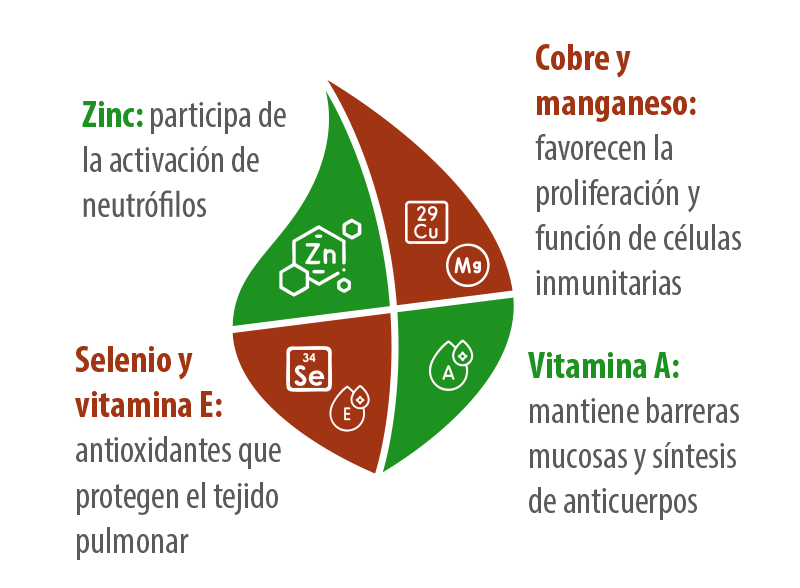
The nutritional strategy not only influences growth but also helps ensure that the immune system is prepared to face challenges.
 In addition to conventional nutrients, such as amino acids, micronutrients represent a key tool for the activation and maintenance of a functional immune response.
During periods of stress, nutritional needs can double, making strategic supplementation essential.
VACCINATION: EFFICACY AND LIMITATIONS
The vaccines against BRD are indispensable, but not infallible, with their effectiveness depending on multiple factors:
 Animal health
Synchronization with maternal immunity
Accuracy of the vaccination protocol
Relationship between the circulating pathogen and the vaccine strain
|
The most common viral and bacterial vaccination targets are:
|
 In combination with a good environment and adequate nutrition, they are powerful prevention tools.
ANTIMICROBIALS: A NEW PARADIGM OF RESPONSIBLE USE
For years, mass medication was the predominant strategy to control BRD in high-risk lots. It works, but it is also under increasing scrutiny from regulators and consumers.
Regulatory changes, especially in the EU, aim to restrict the prophylactic use of antibiotics and promote evidence-based strategies, namely:
 Establish treatment protocols based on risk assessment
Antibiotic choice guided by diagnosis or antibiogram
Monitoring of antimicrobial resistance patterns
Veterinary supervision in each preventive treatment
|
 Prudent use does not mean abandoning useful tools, but using them with precision and clinical justification. For many farms, this will require new forms of monitoring, better diagnostics, and continuous staff training.
THORACIC ULTRASOUND: FROM DIAGNOSIS TO PREDICTIVE MANAGEMENT
Traditional methods for diagnosing BRD —visual clinical evaluations— are often, in some cases, subjective and late. In contrast, thoracic ultrasound allows for the detection of lung lesions before clinical signs appear, with greater precision and specificity.
 According to a 2021 study, pulmonary consolidations larger than 3 cm² are highly predictive of BRD.
In this same study, ultrasound was more effective than routine clinical scores and allowed for early and targeted treatments, reducing unnecessary use of antibiotics.
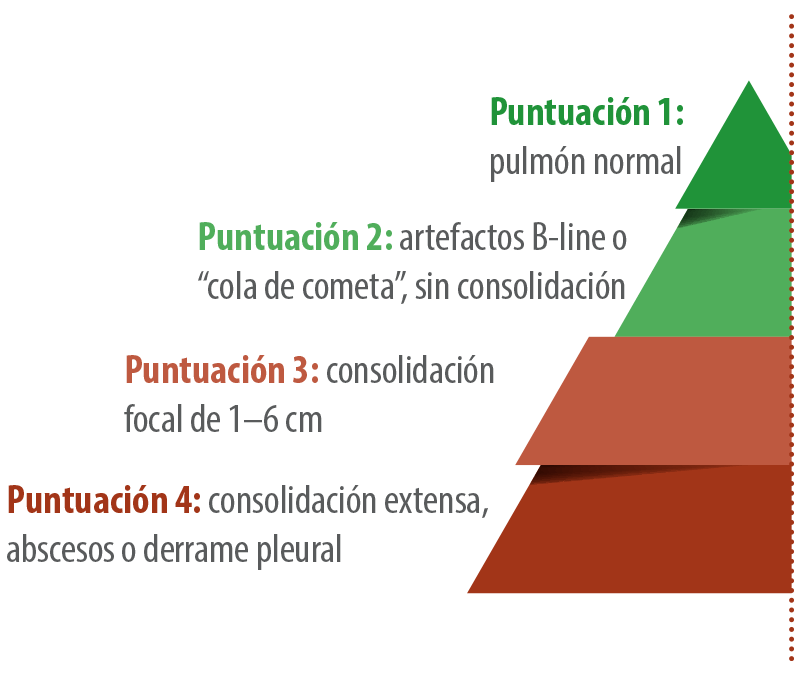
Commonly used scoring scales:
|
Thoracic ultrasound not only improves detection: it transforms the way pulmonary health is conceptualized. |
 The examination is performed in less than 2 minutes per animal, even by moderately trained personnel, with portable ultrasound machines.
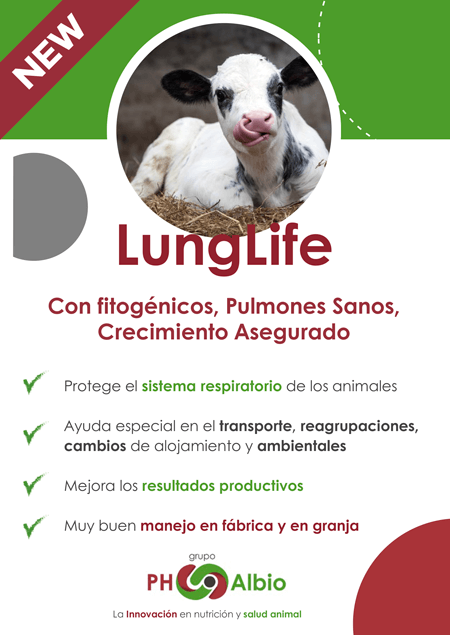
LUNGLIFE: PREVENTION OF RESPIRATORY SYSTEM INFECTIONS
LungLife is a formulation based on plant extracts with various mechanisms of action, designed to support respiratory system health.
The bioactive compounds come from purified, homogeneous, and characterized extracts, in which the active principle and its structure-activity relationship have been identified.
ULTRASOUND STUDIES: LUNG ULTRASOUND EXPLORATION IN SUCKLING CALVES
Three studies have been conducted with the aim of evaluating the efficacy of using LungLife in the incidence of pleura and lung parenchyma lesions and in the individual treatments for respiratory diseases in suckling calves during the lactation phase.
|
For this purpose, ultrasounds of the right side of all animals were performed (2 ultrasounds/animal – on the day of entry and at 24 days), following the previously presented scoring system.
|
 Calves of grade 1 and 2 are considered healthy, and do not require treatment.
 Calves of grade 3 present moderate pneumonia and grade 4 calves present severe pneumonia.
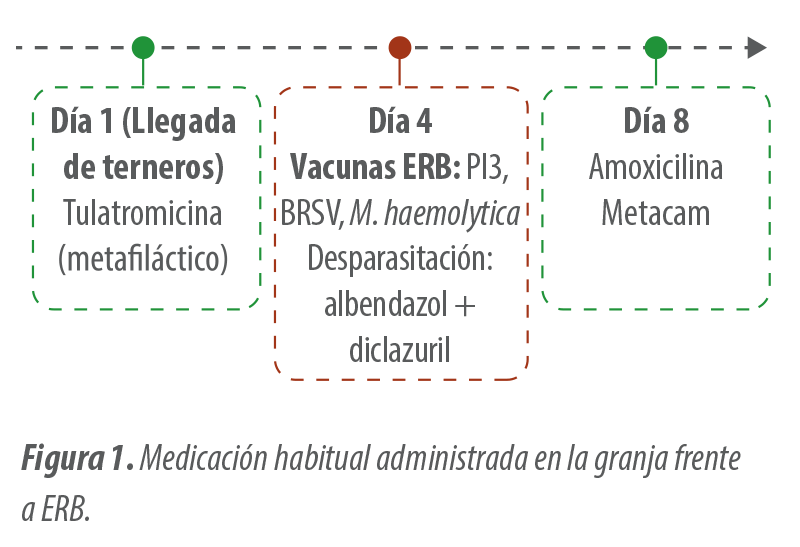
All animals received the usual farm treatments (Figure 1) and the product LungLife was administered via milk at a rate of 6 ml/animal.
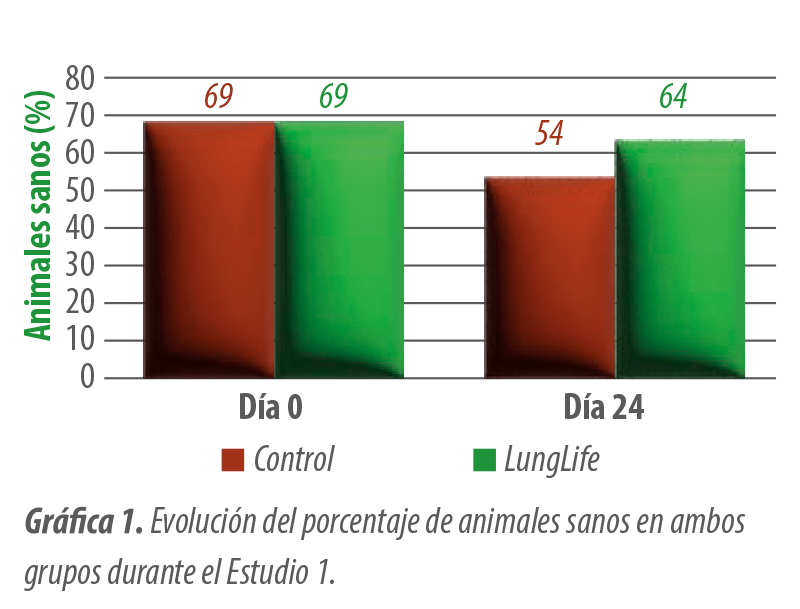
Study Results 1 (96 French Holsteins with initial weight 63.8 kg) 
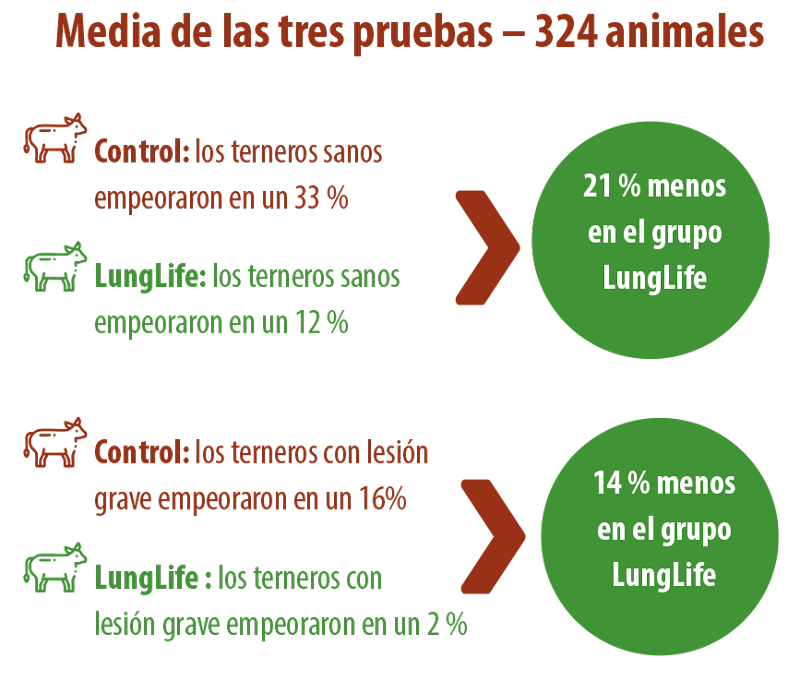
The percentage of animals at the start of the trial was similar in both groups. However, at the end of the trial, the LungLife group had 10% more healthy animals than the control group (64% vs. 54%) (Graph 1).
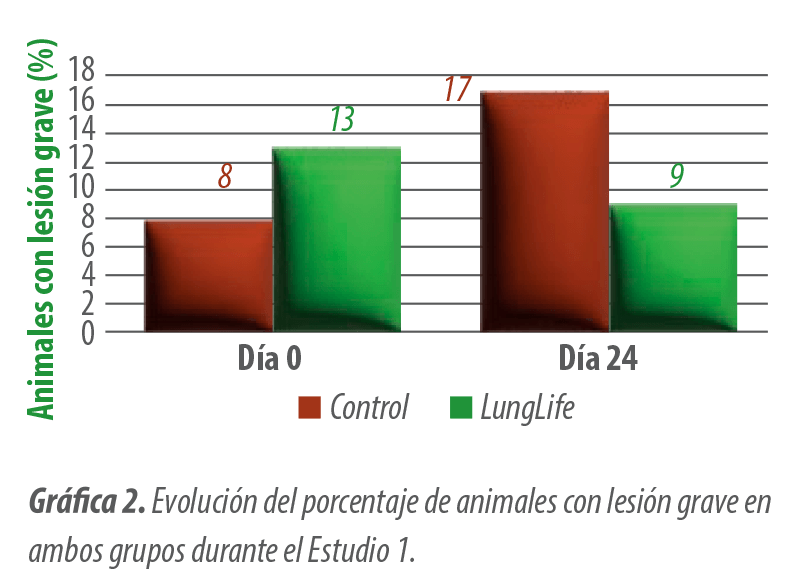
Although initially the LungLife group had more animals scored with severe lesions, by day 24 the LungLife group had 8% fewer animals with severe lesions than the control (Graph 2).
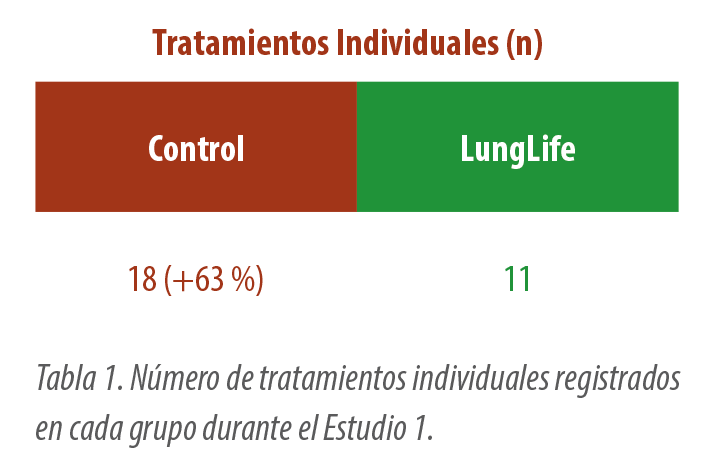
The LungLife group also recorded a lower number of individual treatments compared to the control group.
Study 2 Results (108 French Holsteins with initial weight 56 kg -LungLife- and 65 kg -control)
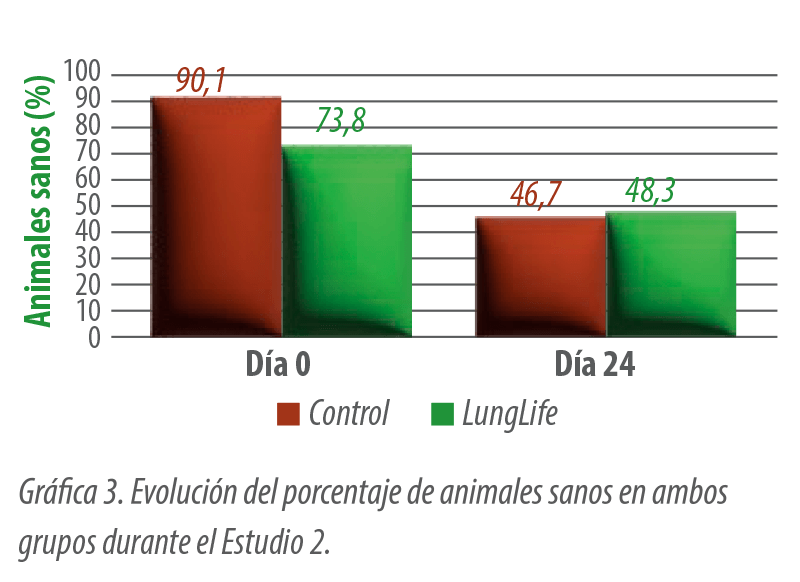
At the start of the study, the LungLife group had a lower percentage of healthy animals (73.8% compared to 90.1%). However, by day 24, this group surpassed the control with 1.6% more healthy animals (Graph 3).
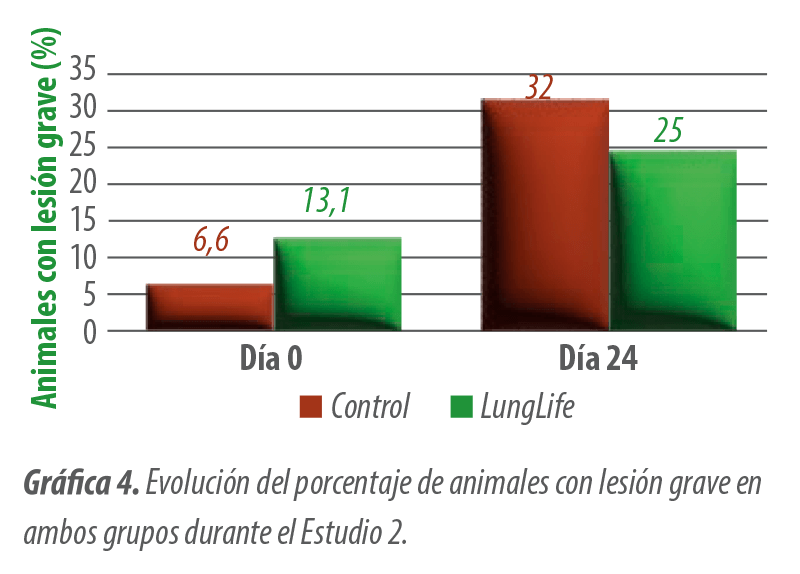
The animals in the LungLife group started the study with lower weight and worse lung condition (higher proportion of severe lesions). However, at the end of the trial, they had 7% fewer animals with severe lesions than the control group, indicating an improvement in their lung conditions (Figure 4).
Study 3 Results (120 Irish Friesians with initial weight 66 kg)
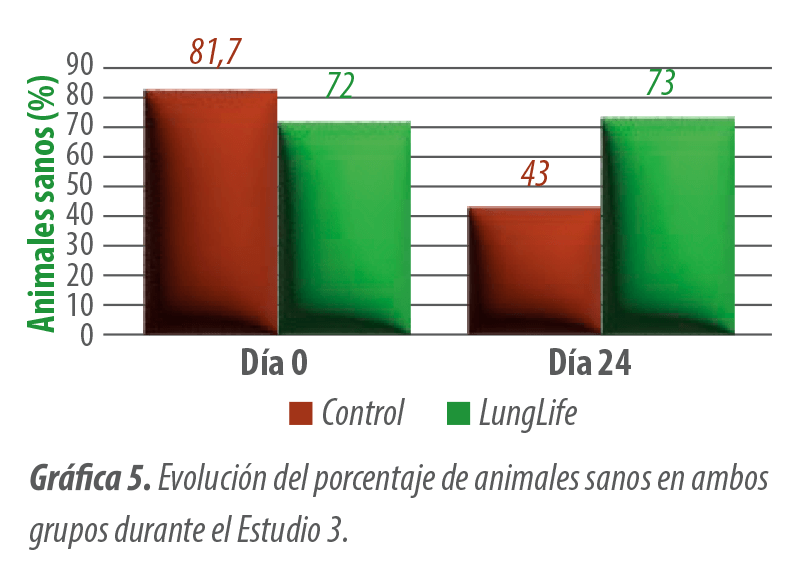
Although the percentage of healthy animals on day 0 was lower in the LungLife group, at the end of the trial this group had 30% more healthy animals than the control group (73% vs. 43%) (Figure 5).
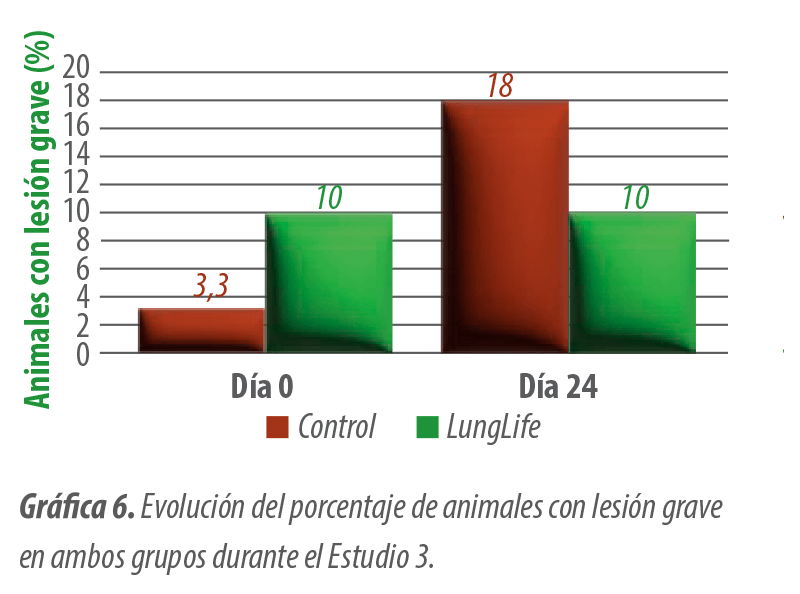
Although the animals in the control group started with a lower percentage of severe lesions, their situation worsened at the end of the trial, exceeding the LungLife group by 8%. In contrast, the animals in the LungLife group maintained the same level of severe lesions as on day 0 (Graph 6).
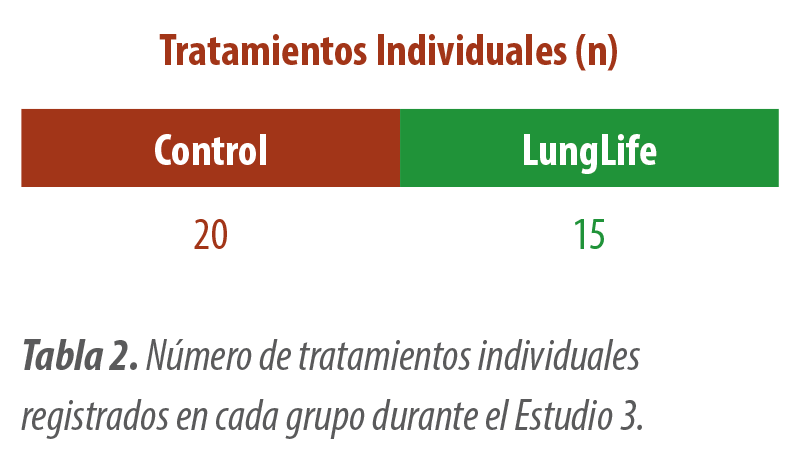
The number of individual treatments was also reduced in the LungLife group compared to the control group (Table 2).
|
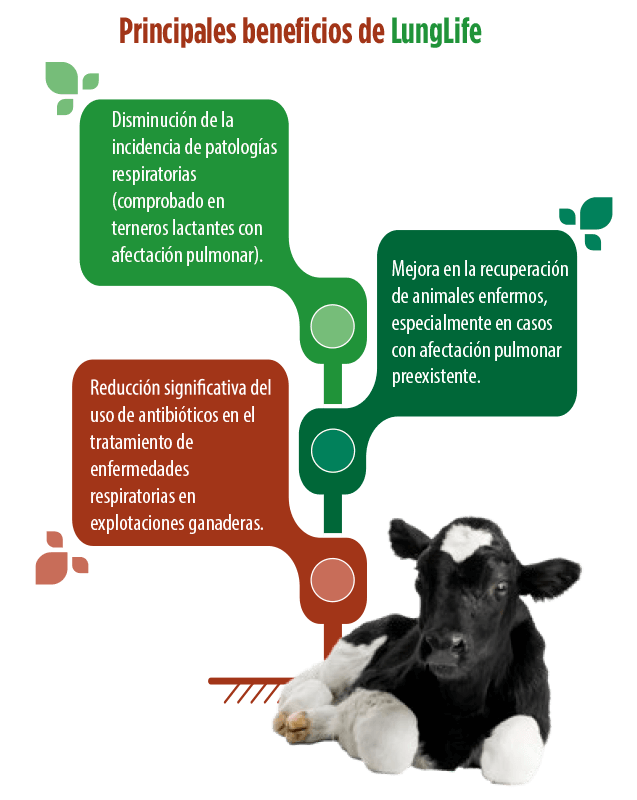
Ultrasound studies conducted on nursing calves suggest that supplementation with LungLife:
|
 Reduces the incidence of respiratory disease with lung involvement
CONCLUSIONS
 BRD is not an inevitable event, nor a natural consequence of intensive growth. It is a reflection of vulnerabilities in the system —biological, environmental, and organizational—, which means that it can be prevented.
Overcoming BRD does not require inventing new vaccines or antibiotics, but rather better system design.
Investing in immunity, reducing stress, using data to anticipate, and aligning all resources to protect an animal that, in its first weeks, depends completely on our decisions.
When we design systems that reduce risk instead of just responding to damage, we not only control BRD. We begin to leave it behind.