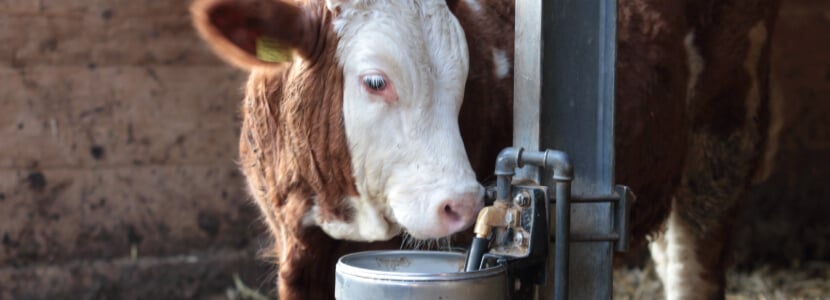
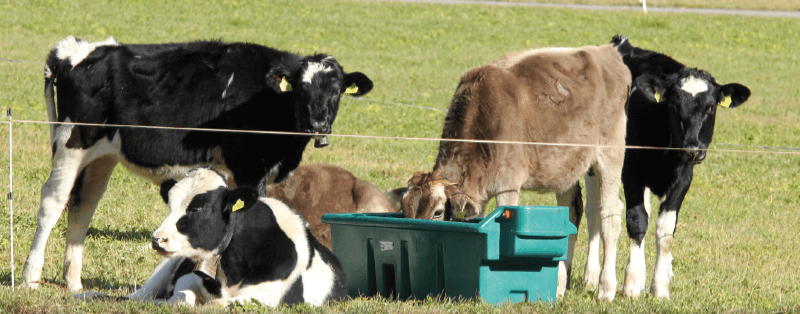
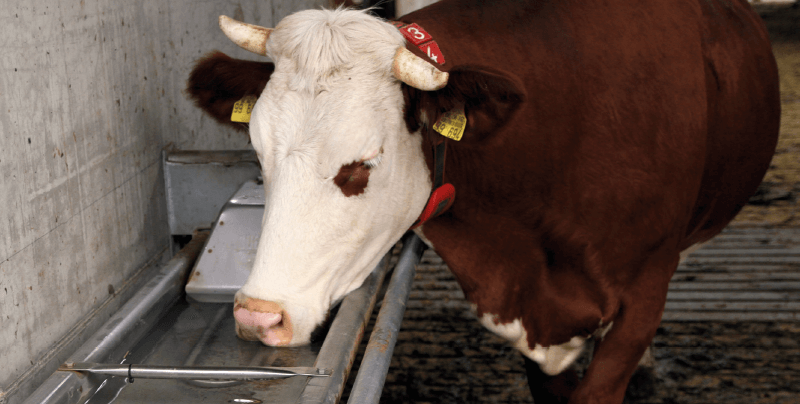
 Cardil, a Spanish company specializing in the manufacture and distribution of livestock products since 2006, has reached a strategic agreement with Suevia, a German company and world leader in the production of drinkers, to distribute drinkers for cattle, sheep, and pigs nationwide.
With a track record of almost 20 years, Cardil has consolidated its presence both in the national and international markets, offering innovative solutions that improve the profitability, safety, and functionality of livestock facilities.
 The alliance with Suevia strengthens its product catalog, allowing it to offer its customers high-quality solutions.
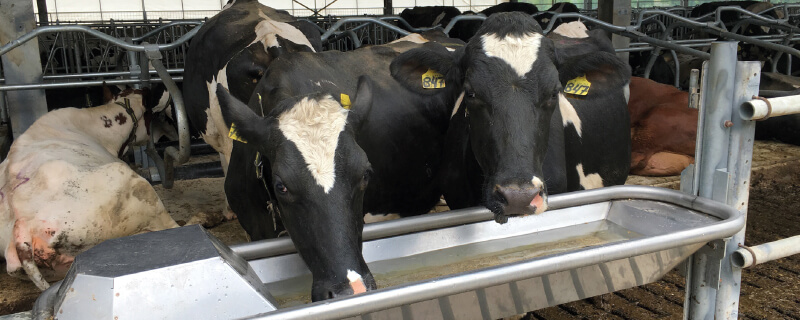
Suevia Haiges GmbH, founded in 1923 in Kirchheim/Neckar, is recognized as one of the leading global brands in the manufacture of drinkers and equipment systems for livestock breeding.
 The company, with more than 100 years of history, is known for its commitment to innovation, quality, and efficiency in the production of products that enhance animal welfare and livestock productivity.
 The collaboration between both companies aims to provide the Spanish market with advanced solutions for water supply, one of the most critical needs in livestock management.
 With this agreement, Cardil will strengthen its presence in the livestock sector, offering products of the highest quality that will meet the most demanding international standards.
 ABOUT CARDIL
Founded in 2006, Cardil has established itself as a reference in the manufacturing and distribution of livestock products.
 Its mission is to offer effective solutions that ensure the profitability and safety of livestock farms, through a catalog that includes everything from veterinary material to specialized equipment for animal management.
ABOUT SUEVIA
Suevia Haiges GmbH, based in Kirchheim/Neckar (Germany), is a world-renowned manufacturer in the drinkers and livestock breeding systems industry.
 Founded in 1923, Suevia has remained at the forefront of innovation, designing products that improve the quality of life for animals and the efficiency of livestock farms.