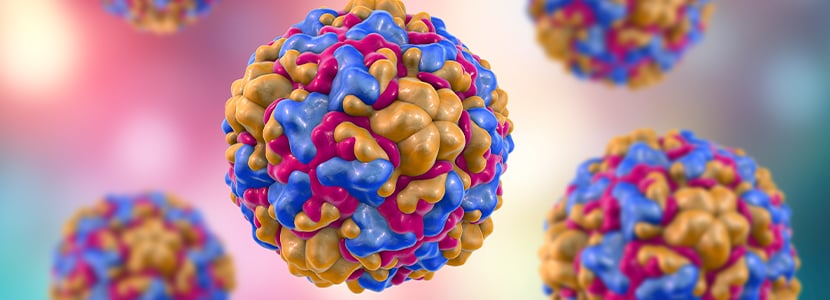
The Standing Committee on Plants, Animals, Food and Feed (PAFF) of the European Commission has confirmed that the recent outbreaks of foot-and-mouth disease detected in Hungary and Slovakia have a common origin and are genetically linked to a viral strain previously identified in Pakistan. This conclusion is drawn from the genomic sequencing results conducted by the European Union Reference Laboratory for Foot-and-Mouth Disease (EURL), managed by ANSES in France and in collaboration with the Belgian laboratory Sciensano.
The analysis was officially presented during the PAFF meeting held on May 21, 2025, in Brussels, attended by representatives of the Member States and animal health experts. In this meeting, the epidemiological and health implications of the outbreaks reported from March 6 in Hungarian territory, which later spread to farms in Slovakia, were discussed.
According to the technical report prepared by the EURL, a total of 33 samples and viral isolates obtained from affected animals were analyzed. The complete genome sequencing revealed that all outbreaks are related to each other and correspond to a single introduction of the virus, reinforcing the hypothesis of a recent and singular entry of the pathogen into the region. The samples were strategically selected to provide comprehensive epidemiological coverage and minimize biases in the genetic characterization of the virus.
The virus in question has been classified as belonging to serotype O, lineage ME-SA, sublineage PanAsia2, strain ANT-10 (O/ME-SA/PanAsia2/ANT-10). This variant shows a genetic similarity of 98-99% with strains isolated in Pakistan in 2017 and 2018. This relationship was identified through next-generation sequencing techniques and phylogenetic analysis, and was officially communicated to the veterinary services of the Member States.
The European Commission has emphasized the importance of this international genetic linkage. “This finding validates the usefulness of modern genetic surveillance to trace the origin of outbreaks and implement more effective control measures,” stated spokespersons from the Directorate-General for Health and Food Safety (DG SANTE), in the official summary of the meeting available on the European Commission’s Food Safety portal.
From Brussels, the rapid response and high technical level of the EURL in this episode has been recognized, highlighting how the collaboration between the European laboratory and the national veterinary services of Hungary and Slovakia allowed the source of the outbreak to be confirmed in record time.
At the same PAFF meeting, the actions taken by the affected Member States were also presented, which included restrictions on animal movement, disinfection of farms and protection and surveillance zones. The Commission positively evaluated these actions, considering them in accordance with Regulation (EU) 2016/429 on animal health.
Investigations into the precise origin of the virus introduction in Europe are still ongoing. It is not ruled out that the transmission is related to unauthorized movements of animals or contaminated products. Experts are also considering other routes such as mechanical vectors, although no specific entry route has been identified so far.
For its part, the UK government has issued a complementary technical report evaluating the outbreaks from an international perspective, highlighting the importance of strengthening border controls and intergovernmental cooperation in animal health matters. This document, prepared by DEFRA (Department for Environment, Food & Rural Affairs), considers that the management of the outbreaks by Hungary and Slovakia has been “swift and aligned with the best community health practices.”
The European Commission has reiterated that the PAFF will continue to closely monitor the evolution of the situation and does not rule out updating prevention and control measures based on the progression of investigations. Meanwhile, all Member States are recommended to strengthen active surveillance mechanisms in susceptible farms, especially in species such as cattle, sheep, and pigs.
You may be interested in: Guide to Market Access for Animal-Origin Products
Continue reading this content
Register for free or log in to access all rumiNews content.