 The decrease in postpartum blood calcium levels in dairy cows is a well-known problem for everyone.
 The importance of calcium for milk production and numerous metabolic functions is a recurring issue.
SO IS IT STILL NECESSARY TO TALK ABOUT THIS TOPIC?
 Recent studies show that between 5-7% of dairy cows in a herd still present a clinical form of hypocalcemia.
These cases are concerning, but they are easily recognized thanks to their clear symptoms.
The subclinical cases are a much bigger problem. It has been shown that up to 60% of newly calved cows in a dairy herd present this issue. |
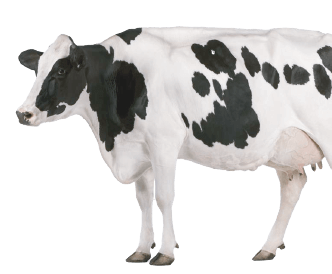 Cows with multiple calvings are particularly affected.
 Often, no specific support is provided due to the absence of symptoms. The consequences can be severe for animal welfare, but also for the profitability of the farm.
In particular, the increased risk of secondary diseases plays a fundamental role. |
BUT HOW CAN HYPOCALCEMIA BE PREVENTED?
1. The long-term preventive measures focus mainly on adapting feed rations and making individual or group plans. In particular, the feeding of dry cows should be optimized and adjusted if necessary.
2. Medium-term prevention can be achieved by increasing feed intake after calving and aiming for an optimal body condition.
3. In practice, various short-term measures have also proven to be very effective. While intravenous administration of calcium should be the method of choice for severe clinical cases and downer cows, mild and subclinical cases can be supplemented with oral administration of calcium.
|
 Attention must be paid to the choice of the appropriate product. In addition to the total calcium content, the amount and variety of calcium sources must be thoroughly evaluated.
Calcium sources have different bioavailability and, therefore, can benefit newly calved cows in different ways. The supply of other essential nutrients for calcium metabolism also plays an important role. The method of administration is also important, as only safe products should be used, both for the farmer and the animal.
To this end, at MIAVIT we have developed MiaCalvium as a liquid feed supplement designed to reduce the risk of hypocalcemia in dairy cows, sheep, and goats.
 Its careful composition includes different sources of calcium, adequate amounts of phosphorus and magnesium, as well as vitamins for hormonal support of calcium metabolism.
|
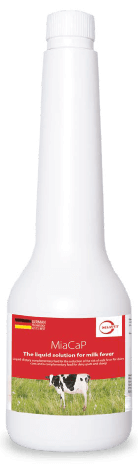 Thanks to the combination of different calcium sources, MiaCalvium acts quickly and lasts long.
 Want to know more about how MIAVIT can help you
prevent hypocalcemia? Contact us!