
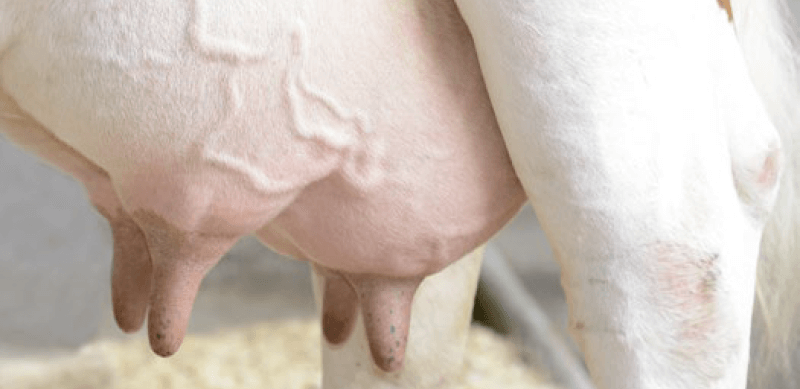
Mastitis is considered one of the most costly diseases in dairy cows, as it causes significant losses in the dairy industry (Romero et al., 2018).
 These losses are not only related to economic aspects, such as milk quality and quantity, the use of antibiotics, or additional labor, but also with the impact of the disease on Animal Welfare, the productive life of the cow, and public health.
 The etiology of udder inflammation is mainly associated with bacteria, such as staphylococci and streptococci, although viruses, fungi, and algae can also cause mastitis (Ruegg et al., 2017).
There are also non-infectious factors that can influence the occurrence of mastitis and its severity, such as genetics, environmental conditions, diet, and the addition of dietary supplements (Abebe et al., 2016).
It is proven that any nutritional deficiency causes a weakened immune response and, therefore, acts as a predisposing factor to microbial invasion of the udder.
|
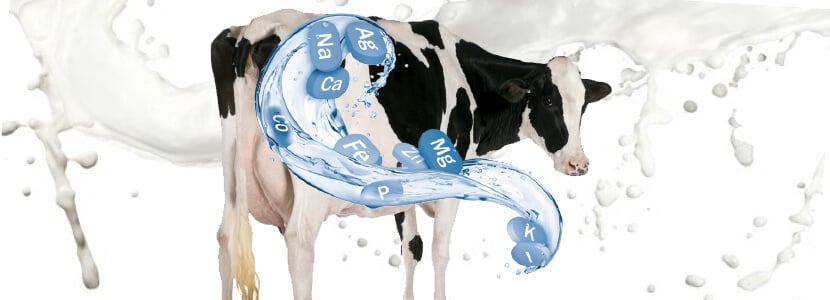
 The minerals are a group of nutrients that have a decisive influence on the health status of the udder. In general terms, they participate in the formation of the structural components of the body and in the proper functioning of enzymes, hormones, vitamins, and cells.
Minerals can be classified into two groups according to their concentration in the body:
1. MICROMINERALS
They are present in the plasma at relatively high concentrations (mg/dl) and are supplied through the diet in grams. They include:
 Calcium (Ca)
Phosphorus (P)
Sodium (Na)
Chlorine (Cl)
Potassium (K)
Sulfur (S)
Magnesium (Mg)
2. TRACE ELEMENTS OR MICROELEMENTS
They are found in relatively small amounts in plasma (mg/dl) and are incorporated into the diet in ppm (parts per million). This group includes:
Iron (Fe)
Copper (Cu)
Manganese (Mn)
Zinc (Zn)
Cobalt (Co)
Chromium (Cr)
Iodine (I)
Molybdenum (Mb)
Selenium (Se)
MINERAL DEFICIENCIES AND REQUIREMENTS
In bovine veterinary medicine, mineral deficiencies are mainly associated with characteristic metabolic disorders, such as:
 Peripartum hypocalcemia (milk fever)
Hypophosphatemia
Hypomagnesemia (tetany)
However, in many cases, mineral deficiency conditions do not manifest clinically, but through subclinical alterations, such as immunosuppression, a predisposing factor for the onset of infectious diseases, including mastitis.
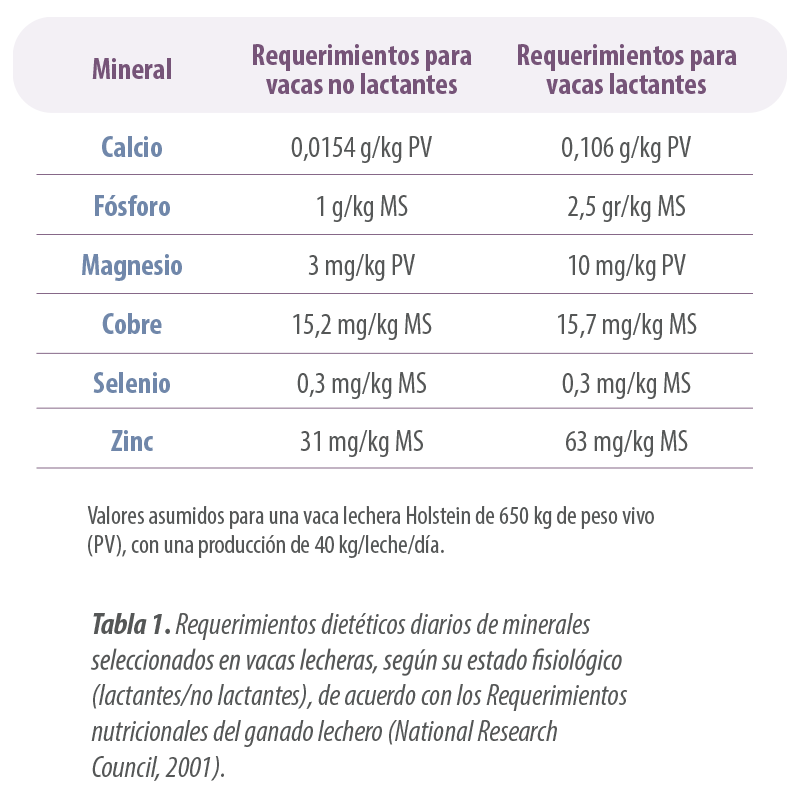
The key factor determining the concentration of a specific mineral in the body is its supply through diet. Thus, the dietary requirements of certain minerals in dairy cows, according to their physiological state, are presented in Table 1.
 In milk production, mineral supplementation is a well-established practice to improve reproductive performance (Chester- Jones et al., 2013; Molefe and Mwanza, 2020). Likewise, its effect on the health status of cows, including mastitis, has been studied.
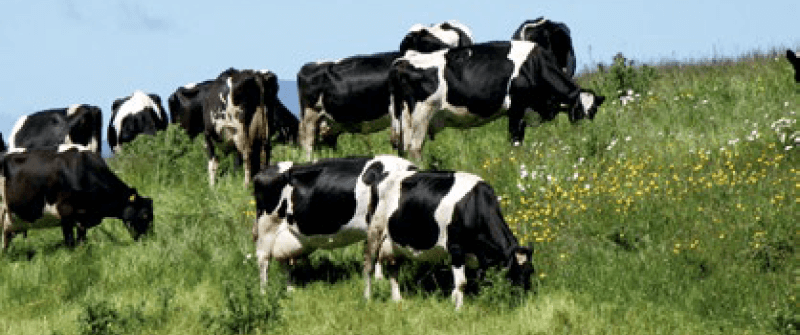
Below are some minerals and the effect of their deficiency on immune system function and, consequently, on the occurrence of mastitis. |
 CALCIUM
Calcium is involved in various bodily functions.
It is part of the structural components of the body and is essential for muscle contraction, both in skeletal and smooth muscles, including the teat sphincter, whose efficient contraction after milking is crucial to prevent microbial invasion of the udder (DeGaris et al., 2018).
Kimura et al. (2006) noted that, in Jersey cows before calving, the concentration of Ca decreases in peripheral blood mononuclear cells, which directly affects the normal functioning of leukocytes (Zhang et al., 2019).
Ducusin et al. (2003) and Martínez et al. (2012) observed a decrease in the phagocytic activity of neutrophils from hypocalcemic Holstein cows compared to normocalcemic ones.
These authors identified subclinical hypocalcemia as a predisposing factor for infections. |
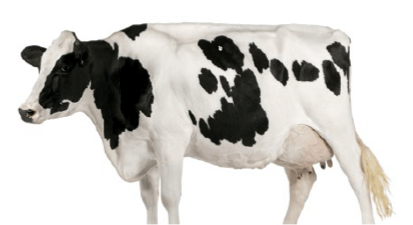
 In a study conducted on Holstein cows, Hisaeda et al. (2020) observed that the blood calcium concentration was significantly lower in cows with hyperacute coliform mastitis compared to healthy ones.
 These authors suggested that this phenomenon is due to the production of inflammatory cytokines in cows with mastitis, which decreases the secretion of parathyroid hormone and the conversion of 25-OH vitamin D to 1,25-D, thus reducing calcium concentration.

 PHOSPHORUS
Phosphorus is found 85% in the skeletal system, is an essential component of nucleic acids (DNA and RNA), and is part of high-energy compounds such as ATP. Additionally, this mineral is involved in the pH buffering (buffer system) of body fluids.
Phosphorus deficiency, especially in the peripartum period and at the start of lactation, is associated with:
Lower productivity
Decreased feed intake
Higher risk of morbidity in newly calved cows
When studying the immune system and resistance to infection, Eisenberg et al. (2019) stated that hypophosphatemia negatively affects both phagocytic activity and the granulocyte count in transition Holstein dairy cows.
 However, the mechanism associated with the impairment of immune cell activity in cows with phosphorus deficiency has not been fully studied.
 Studies conducted in other animal species, such as rats, suggest that the ATP content in leukocytes tends to be lower in hypophosphatemic individuals, which would explain the decrease in their phagocytic activity (Kiersztejn et al., 1991).
It is important to note that there is concern about environmental contamination with fecal phosphorus, so it has been proposed to limit the content of this element in the manure, which requires a more restrictive use of the mineral in bovine nutrition. |
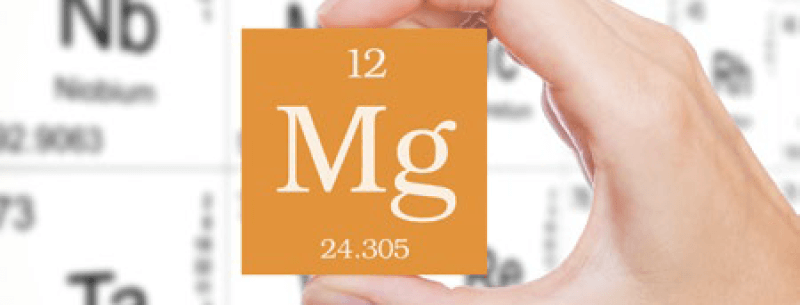
 MAGNESIUM
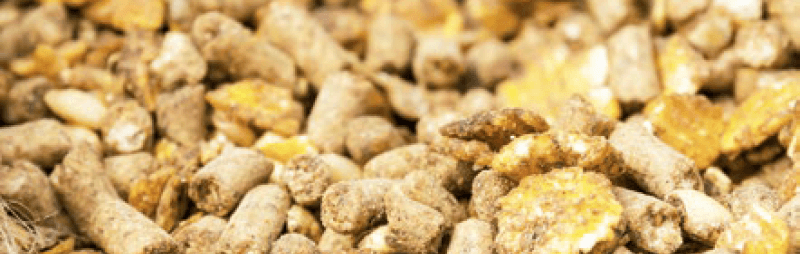
Magnesium plays an essential role in cellular metabolism and acts as a cofactor for more than 300 enzymes, including alkaline phosphatase and those involved in the Krebs cycle.
The main site of Mg²+ absorption is the rumen, and this process can be influenced by the type of diet and the presence of other minerals (Mattioli et al., 2006). |
Magnesium is an essential component of the innate immune response.
Weglicki et al. (1992) observed elevated levels of pro-inflammatory cytokines (IL-6, TNF-α) in rats subjected to a magnesium-deficient diet for three weeks. Meanwhile, Van Orden et al. (2006) recorded an increase in total leukocyte count in rats fed a diet extremely low in magnesium compared to the control group (30 ppm).
In light of these results, it is considered that magnesium plays an important role in the immune system. However, it is unclear whether the deficiency of this mineral acts by itself as a pro-inflammatory factor or if, on the contrary, it causes immunosuppression that, in turn, promotes inflammation.
Therefore, more studies are needed to fully understand its role.
 SELENIUM
It is well documented that selenium supplementation can improve growth, reproductive performance, and health status of livestock (Ullah et al., 2020).
Selenium deficiency in cattle can lead to:
Delayed growth in calves
Immunosuppression
Reproductive difficulties
Regarding the immune system, selenium is part of the active center of the enzyme glutathione peroxidase (GSH-Px) and, therefore, exerts an antioxidant action. |
Therefore, selenium supplementation is associated with favorable clinical responses in different situations that involve an increase in oxidative damage, such as mastitis.
Additionally, in vitro studies (Machado et al., 2014) conducted with bovine neutrophils showed that selenium supplementation improves:
 Chemotactic migration
Phagocytosis
Superoxide dismutase (SOD) activity
Intracellular antibacterial activity against S. aureus (Hoggan et al., 1990)
More recent studies (Jing et al., 2020) suggest that selenium may play a crucial role in the regulation of immune and inflammatory processes, by influencing the differential expression of exosomal mRNA of key genes involved in the prevention of bovine mastitis. |
Sripad et al. (2016) and Hoque et al. (2016) reported a greater efficacy of treatment when an antibiotic was combined with a selenium preparation. They also observed a lower incidence of clinical mastitis in Holstein cows supplemented with this mineral, as well as a reduction in the duration of clinical symptoms.
In turn, the somatic cell count (SCC) is negatively correlated with serum selenium concentration (Wang et al., 2021).
 COPPER
Copper is essential for the structural and catalytic properties of various cuproenzymes, such as cytochrome c oxidase and superoxide dismutase, among others.
Additionally, copper is considered to have antibacterial properties against bacteria isolated from cows with mastitis.
According to Reyes-Jara et al. (2016), a copper concentration as low as 250 ppm inhibits the growth of common microorganisms associated with mastitis, such as Escherichia coli and coagulase-negative Staphylococcus.
In vivo studies have shown that copper supplementation in the diet for 100 days (20 ppm in the experimental group versus 6.5 ppm in the control group) reduces the severity of the clinical response when Holstein cows were experimentally infected intramammarily with Escherichia coli (Scaletti et al., 2003).
 Copper deficiency leads to altered phagocytosis and decreased activity of the Cu/Zn-superoxide dismutase enzyme (Babu and Failla, 1993).
 ZINC
ZINC
Zinc is a trace element that plays a fundamental role in the maintenance of rumen microbiota and protein synthesis. Additionally, it acts as a cofactor for various oxidoreductases and participates in the formation of keratin.
Some studies have shown that dietary supplementation with zinc reduces the somatic cell count (Chandra et al., 2015) and levels of amyloid A in milk (Cope et al., 2009).
The intact mammary epithelium, impenetrable to microorganisms, is considered a fundamental part of the udder’s innate immune system. |
Weng et al. (2018) observed an improvement in mammary epithelium integrity when Holstein cows were supplemented with zinc.
Zinc is essential for the development and proper functioning of cells that mediate innate immunity, such as neutrophils.
CONCLUSIONS
When managing nutrition on a dairy farm, special attention should be paid to minerals, as they participate in numerous biological processes of the cow and, therefore, influence key parameters of milk yield.
Minerals are essential for the proper functioning of immune cells, so any mineral deficiency can lead to a suppression of the immune response.
Mastitis is a common problem even in well-managed farms, and mineral supplementation could help strengthen the innate immunity of the mammary gland, thus helping to reduce the risk of udder inflammation.
You may be interested in: Nutritional strategies to mitigate heat stress in dairy cows
Continue reading this content
Register for free or log in to access all rumiNews content.