The new livestock transport regulation jeopardizes competitiveness and animal welfare with high economic impact |
The National Association of Meat Industries of Spain (ANICE) has called on Spanish and European authorities for a more balanced regulation on animal welfare during transport, which reconciles the protection of animals with the economic viability of the livestock and meat sector.
The entity has expressed its concern about the proposed Regulation currently under study in Brussels, considering that it lacks the necessary technical and scientific rigor and that, if approved in its current terms, it would deal a severe blow to livestock production. Sector estimates put losses at 17% in beef cattle and 7% in pork, with cascading effects throughout the value chain.
ANICE, along with other national and international organizations, has actively participated in the amendment process in the European Parliament, to which more than 3,000 objections were submitted before April 10, highlighting the high concern and potential impact of the text.
A joint effort for reasonable regulation
Since the beginning of 2024, ANICE has worked in coordination with the Ministry of Agriculture, Fisheries and Food (MAPA) and the entire livestock-meat sector to define Spain’s official position. Through the newly created Animal Welfare Sectoral Table, dialogue has been strengthened among all stakeholders involved, from livestock production to transport and the meat industry.
At the community level, ANICE has intensified contacts with associations from other countries such as FECIC (Spain) and ASSICA (Italy), as well as with representatives of the European Commission and MEPs, with the aim of curbing a regulation that could seriously compromise the competitiveness of the European sector.
Worrying Economic and Operational Consequences
The proposal includes significant restrictions regarding transport time and maximum temperatures, which would especially affect southern European countries like Spain, where climatic conditions make compliance difficult. In some areas of the country, temperatures exceed 30°C for more than 80 days a year, which would require shifting animal transport to nighttime hours, with labor, road safety, and organizational implications.
The estimated economic impact is significant: in the pork sector alone, an increase of up to 1.6 billion euros annually is expected, with an additional cost of more than 7 euros per pig. In the case of beef cattle, costs would increase by more than 220 million per year, with a 25% drop in the number of slaughters and the risk of disappearance of thousands of farms.
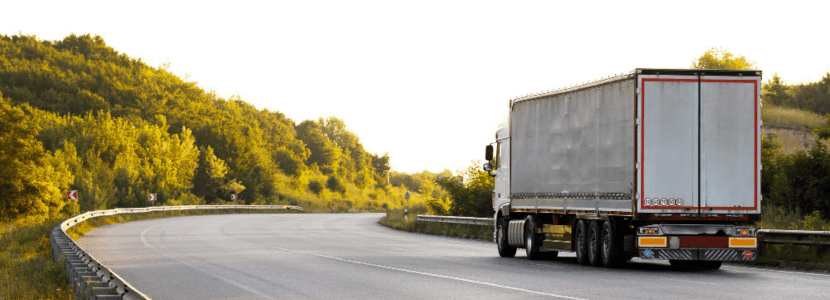
Regarding transport, it is estimated that the fleet of vehicles would need to be expanded by 68%, with an additional cost of up to 85,000 euros per truck to meet the new requirements. Additionally, an increase in CO₂ emissions and a 35% drop in available routes for slaughter are anticipated.
Effects on the Market and Food Inflation
The implementation of this regulation would lead to a drastic reduction in the availability of meat and derivatives, which would push prices up at points of sale. This would have a direct effect on consumption, especially among families with lower economic capacity, and would contribute to exacerbating food inflation, already strained across Europe by various global factors.
“We are facing a regulatory approach that does not substantially improve animal welfare and, instead, jeopardizes the sustainability of our productions,” said Giuseppe Aloisio, general director of ANICE. “The current context demands competitiveness and regulatory sensibility. The alliance between ANICE, FECIC, and ASSICA is an example of the necessary unity to defend the sector’s interests against disproportionate proposals.”
You may also be interested in: ANICE requests agility in beef exports
Continue reading this content
Register for free or log in to access all rumiNews content.