
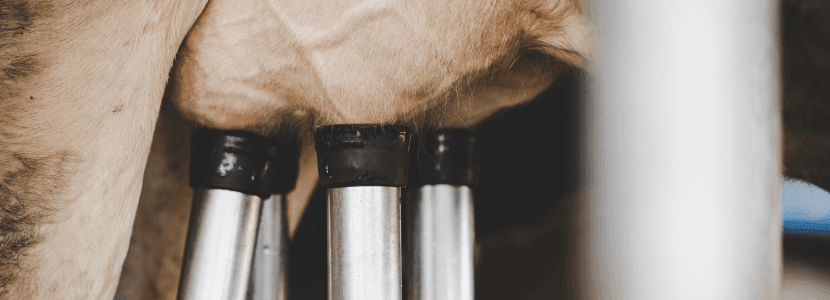
Poor maintenance of milking equipment not only reduces farm efficiency, it also affects cow health and the final quality of the milk. Discover the most common mistakes and how to avoid them.
Mechanical milking has become an essential tool for modern dairy farms. However, its improper use can lead to serious problems: from drops in production to an increase in udder infections such as mastitis.
Milk quality experts warn that many of these incidents are due to poor maintenance or incorrect installation of the system. Therefore, identifying the causes and applying corrective measures is key to ensuring animal welfare and business profitability.
1. Units fall off: lack of vacuum or teat cup problem?
One of the most common problems in mechanical milking is the unexpected detachment of units. This situation not only interrupts the process but can cause discomfort to the animals, increase the risk of teat injuries, and contaminate the milk.
The causes are usually related to a vacuum level that is too low, a poorly adjusted regulator, or worn or improperly placed teat cups. Additionally, if the teats are wet or dirty, the units do not attach properly and tend to come off. The poor condition of the short air tubes also plays a role, which must be in good condition and of the appropriate size.
The solution? Regularly check the vacuum system, ensure the teat cups are in good condition, replace them when necessary, and correctly place the units with dry and clean teats.
2. Vacuum fluctuates: instability alert
Fluctuations in the vacuum system are another major enemy of efficient milking. This type of instability causes irregular milking, increases the likelihood of teat irritations, and can lead to difficult-to-detect subclinical mastitis.
Among the most common causes are leaks in the hoses, a dirty or poorly calibrated regulator, and an installation with improperly sized or too long pipes. The detachment of teat cups can also exacerbate the problem.
What to do? It is essential to check the regulator and ensure it is clean, verify that the hoses have no cracks, and that the connections are well adjusted. Additionally, the balance tank and pipes must be installed with the appropriate slope and diameter.
3. Flooded pipes? Check the diameter
Excessive accumulation of milk in the pipes can cause blockages, bacterial contamination, and slowing down of milking. This problem usually indicates a poor design of the milk collection system.
It is usually due to an insufficient diameter of the milk line, a poorly calculated slope, or undersized milk pumps. All this prevents an adequate and continuous flow of milk to the tank.
How to avoid it? Ensure that the pipes have the correct diameter according to the volume of milk you handle and that the slope facilitates drainage. A powerful, well-sized pump will also make a difference
4. Why does it take time to recover vacuum?
When the system takes time to recover the vacuum level after a drop, milking becomes inefficient and uneven. This problem often goes unnoticed, but it reduces the overall performance of the system.
Among the most common causes are a weak or deteriorated vacuum pump, a dirty or defective regulator, and, above all, hidden leaks in connections or valves.
Recommended solution: regularly check the pump, check the oil level and the condition of the belts, and replace any worn gasket or valve. It is also useful to have an additional vacuum reserve in the system.
5. Irritated teats: a warning sign
Redness, inflammation, or the presence of rings on the tips of the teats are clear signs of an aggressive or poorly calibrated milking routine.
The most frequent causes are excessive vacuum at the teat end, malfunctioning regulator, overmilking (when units are not removed in time), and worn-out teat cups. An inadequate milking/massage ratio can also be behind the problem.
What is recommended? Adjust vacuum parameters, check the operation of the pulsator, and respect stimulation and removal times. It is also advisable to evaluate the milking routine to ensure it is as gentle and efficient as possible.
6. Eternal milking: when time extends longer than necessary
Mechanical milking should last between 4 and 6 minutes per cow. If it lasts longer, it is a sign that something is not working correctly. This reduces work efficiency, causes stress in the animals, and increases the risk of infections.
The reasons can be multiple: pulsators that do not work well, a vacuum pump with low capacity, small collectors for the milk volume, or hoses and pipes that are too narrow.
How to act? Review the entire system to ensure it is well-sized for the number of cows and the milk volume. Replace any component that does not perform as it should.
Maintenance: the key to success
To avoid these errors, it is essential to carry out periodic equipment inspections with specialized personnel. Changing teat cups, cleaning pulsators, checking pumps, and replacing hoses when necessary are essential steps to ensure milking quality. Consult the Milking Systems Maintenance Manual – Spanish Federation of Dairy Cattle Associations (FEAGAL)
A good milking routine and well-maintained equipment not only extend the system’s lifespan but also ensure better milk quality, higher yield, and healthier cows.

Continue reading this content
Register for free or log in to access all rumiNews content.