
Neonatal diarrhea is a complex multifactorial disease and is the main cause of health problems and mortality in nursing calves.
Both farmers and veterinarians are familiar with the economic losses associated with:
 Calf losses.
Veterinary visits.
Treatments.
Labor time.
However, there is not as much awareness about the short-term repercussions of diarrhea , with a lower weight gain and higher risk of subsequent pneumonia, and long-term due to reproductive delay and lower milk production in the first lactation (Abuelo et al., 2021; Schinwald et al., 2022).
Among the main infectious causes of diarrhea, we find viruses, bacteria, and parasites, with Escherichia coli, rotavirus, coronavirus, and Cryptosporidium parvum being the most frequently involved agents (Cho & Yoon, 2014).
These pathogens can act both in isolation and in mixed infections, increasing clinical severity and broadening the age range of affected animals. Therefore, establishing an appropriate diagnosis will be key when deciding on the most effective prevention measures.
When it comes to preventing diarrhea caused by C. parvum, better known as cryptosporidiosis, we present the main questions and answers that may arise:
 WHAT IS CRYPTOSPORIDIOSIS?
It is a disease caused by the parasite Cryptosporidium spp., a digestive protozoan with a wide global distribution.
Within the genus Cryptosporidium, there are at least 44 species of gastrointestinal protozoa that can affect numerous mammals, including humans (Chalmers et al., 2019), as it is a zoonosis.
 In the case of calves, C. parvum is the main species causing diarrhea, especially affecting calves between the second and third week of life (Shaw et al., 2021).
WHAT IS THE DISTRIBUTION OF CRYPTOSPORIDIOSIS?
 The parasite C. parvum has a wide global distribution and is present in dairy and beef herds (Santin, 2020).
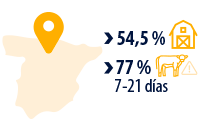
In a study conducted on farms in the Cantabrian coast, Cryptosporidium was identified in 54.5% of the farms and in 77% of the calves with diarrhea between 7-21 days (López-Novo et al., 2019).
WHAT ARE THE CLINICAL SIGNS OF CRYPTOSPORIDIOSIS IN CALVES?
Affected calves present with mild to severe diarrhea that is often insidious and lasts for several days.
 In some cases, they may also present mild fever, dehydration, apathy, anorexia, and weight loss (in the short and long term).
Although cryptosporidiosis is not usually fatal, it can become so when appropriate treatment is not applied early, increasing neonatal mortality rates.
WHY DOES CRYPTOSPORIDIUM HAVE SUCH A WIDE DISTRIBUTION? WHAT IS THE SECRET TO ITS SUCCESS?
The secret to this parasite’s success lies in the characteristics of its cycle:
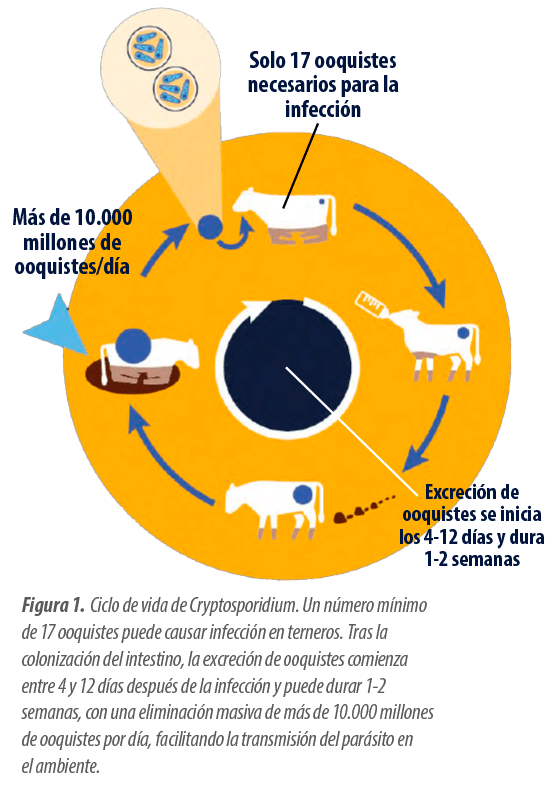
 Very few oocysts of the parasite are needed for a calf to become infected. It has been observed that only 7-17 oocysts are capable of triggering the clinical condition (Zambriski et al., 2013).
It spreads very quickly among calves (a calf with diarrhea due to cryptosporidia can shed between one and ten million oocysts per gram of feces for approximately 12 days) and within the affected calf itself (it multiplies in the intestinal cells with numerous replication cycles and can also cause autoinfection in the same animal).
The oocysts excreted with the feces are already directly infectious, so an affected calf quickly spreads the disease through its feces to other calves that may be in contact.
High environmental resistance, up to a year in optimal conditions, and also very resistant to many disinfectants.
Intracellular but extracytoplasmic location in the intestinal cells, which explains why few drugs are effective against this protozoan and the difficulty of its control and prevention.
HOW DOES CRYPTOSPORIDIOSIS OCCUR?
The parasite is transmitted through fecal-oral route, which means that the infection occurs when the oocysts are ingested orally, with the calf becoming infected when it ingests the feces of an infected animal.
Due to this, transmission can occur directly (from another infected calf, animal, or human) or indirectly (through fecal contamination in the immediate environment, water, feed, or fomites).
One of the main risk factors is environmental pressure, which can be mitigated through appropriate control strategies. |
Once the infection occurs, the parasite will cause diarrhea because, as it replicates, it causes damage to the intestinal cells of the calf. Additionally, the destroyed cells are replaced with immature cells with lower digestive and absorptive capacity, which:
 Prolongs the duration of diarrhea.
Penalizes growth despite adequately treating the calf.
CAN CRYPTOSPORIDIOSIS BE CURED?
Most calves with cryptosporidiosis will successfully overcome the infection.
However, even after recovery, long-term effects are common, such as lower weight gain and lower milk yield in the first lactation. It is also possible for the animal to be reinfected with Cryptosporidium spp. in the future, but fortunately, adult cattle are unlikely to be symptomatic.
WHAT IS THE TREATMENT FOR CRYPTOSPORIDIOSIS IN CALVES?
Once the calf becomes ill, cryptosporidiosis is mainly managed with supportive therapy (e.g., rehydration with electrolytes or fluids).
However, once the problem is diagnosed on the farm, we can complement this strategy with metaphylactic treatments with antimicrobials, such as halofuginone (Halocur®), for the new calves born over seven days, which will help us control the infection.
|
IS IT POSSIBLE TO ELIMINATE CRYPTOSPORIDIUM FROM THE FARM?
Completely eliminating it from a farm is almost impossible due to its high environmental resistance. However, control strategies can be implemented to minimize its impact:
 Appropriate hygiene practices on the farm (cleaning and/or rotation of calving pens, disinfection of feeding equipment, water treatment, etc.) to reduce infection pressure.
 Specific immunity through the implementation of a comprehensive vaccination plan that includes vaccinating the mothers to protect the calves against cryptosporidiosis.
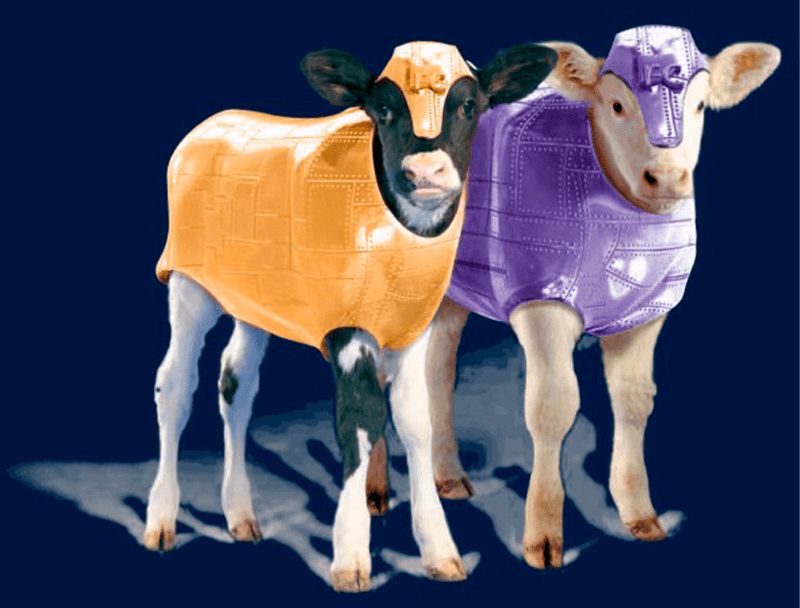
IS THERE ANY VACCINE AGAINST CRYPTOSPORIDIOSIS THAT WE CAN USE IN CATTLE?
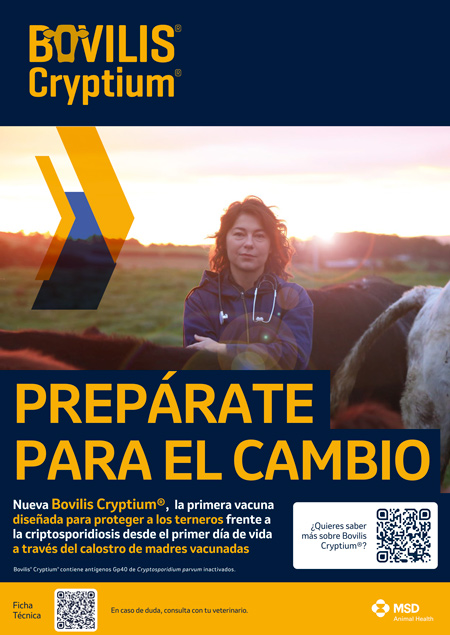
Yes, in 2024 the first vaccine available worldwide against cryptosporidiosis was launched, Bovilis Cryptium® from MSD Animal Health.
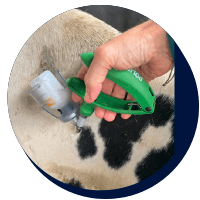 This new vaccine can be administered at the same time as Bovilis® Rotavec® Corona to achieve comprehensive protection that includes the four most common pathogens of neonatal calf diarrhea: C. parvum, coronavirus, rotavirus, and E. coli.
The vaccine is applied to the mothers during the last third of gestation and works by increasing the levels of specific antibodies in the colostrum and transition milk of the mother.
 This protection will reach the calf through the intake of colostrum and transition milk. In this way, through the transfer of passive immunity from the mother, the calf will receive protection against the parasite.
The protection of the calves will depend on the adequate intake of colostrum and transition milk from vaccinated mothers.
 It is recommended that all calves be fed with colostrum and transition milk during the first 5 days.
Consult with your veterinarian about how to include vaccination against cryptosporidiosis in your farm’s vaccination program! |
WHAT ARE THE BENEFITS OF CONTINUING TO ADMINISTER TRANSITION MILK IN THE MANAGEMENT OF CRYPTOSPORIDIOSIS?
The transition milk is defined as the secretion produced by the cow during the transition between the colostrum of the first milking to the sixth or eighth milking when it is already considered milk (Fischer et al., 2019).
We all know the importance of colostrum feeding in the health of calves, but perhaps we have focused so much on the management of colostrum during the first 24 hours of life, that we have forgotten the importance of continuing to administer transition milk during the first days of life, just as was traditionally done on farms.
What benefits does its use have?
 Nutritionally, transition milk contains more solids and a higher amount of both fat and protein, providing more metabolizable energy that helps the calf adapt to a colder environment than the maternal womb.
In terms of intestinal health, transition milk plays a very important role, right at the time of greatest risk of diarrhea.
It helps in the establishment of beneficial bacterial populations that will form the intestinal microbiota (Hromádková et al., 2020).
It provides a large amount of immunoglobulins that act at the intestinal lumen level, which we call lactogenic immunity (Schalich et al., 2021).
Preventing cryptosporidiosis in calves is not only possible but essential to reduce its impact on health and productive performance.
The effective control of this disease involves a combination of strategies: rigorous hygiene, proper management of colostrum and transition milk, and now, with the support of vaccination, a new tool to boost the immunity of calves from their first days of life.
Consulting with the veterinarian about best practices and applying a comprehensive approach will minimize losses and improve animal welfare on the farm.
Bibliography available upon request from the authors
MORE INFORMATION ABOUT THE VACCINE AGAINST CRYPTOSPORIDIOSIS