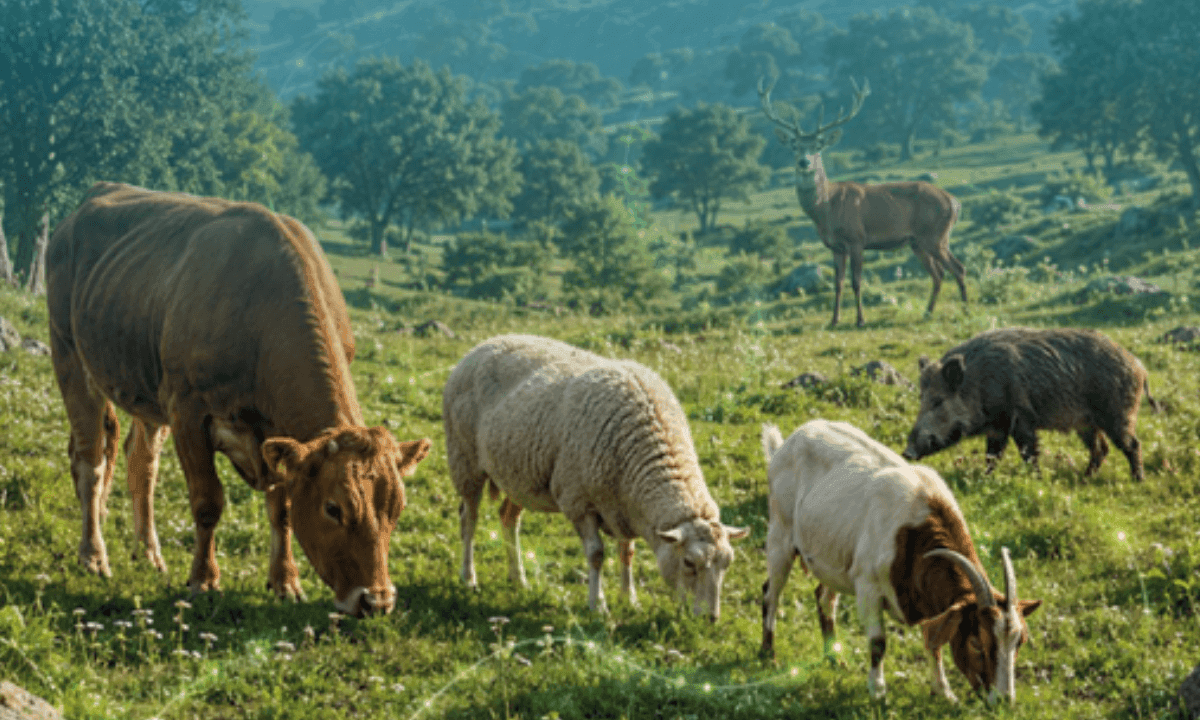


Extensive livestock farming is a pillar of Mediterranean agroecosystems and plays an essential role in maintaining the landscape, biodiversity, and the socioeconomic activity of rural areas (Godde et al., 2020; Bremer et al., 2021). |
 However, these systems operate in a context where domestic livestock share space and resources with a wide diversity of wild species, generating a complex network of ecological and epidemiological interactions.
Understanding how these interactions condition pathogen circulation is currently one of the main challenges for advancing toward more sustainable livestock systems. 
With this objective, the Health and Biotechnology Research Group (SaBio) at the Hunting Resources Research Institute (IREC) has spent years conducting research based on the One Health approach, integrating public health and animal health with biodiversity conservation and ecosystem health. 
Projects framed within this line of research include:
FROM THE INDIVIDUAL STUDY OF PATHOGENS TO THE INTEGRATED STUDY OF THE ECOSYSTEM
Traditionally, the epidemiology of animal diseases has focused on studying the relationship between a pathogen and a single specific host species.
However, this approach is insufficient to explain most of the diseases currently affecting wildlife, livestock, and even humans (zoonoses).
|
 Numerous pathogens exhibit a multi-host nature and are capable of maintaining themselves simultaneously across different domestic and wild species, while also taking advantage of environmental factors that favor their persistence (Gortázar et al., 2023).
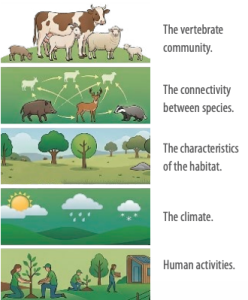
 In this context, the concept of the “episystem” emerges: the set of interactions among hosts, pathogens, vectors, and the environment that determine disease circulation within a territory (Hassell et al., 2021).
Thus, the way epidemics are understood is no longer exclusively associated with a specific species, but is instead conditioned by the composition of:
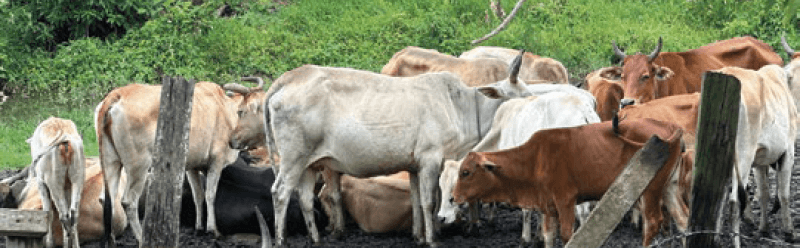
The wildlife-livestock interface constitutes one of the best examples of these episystems.
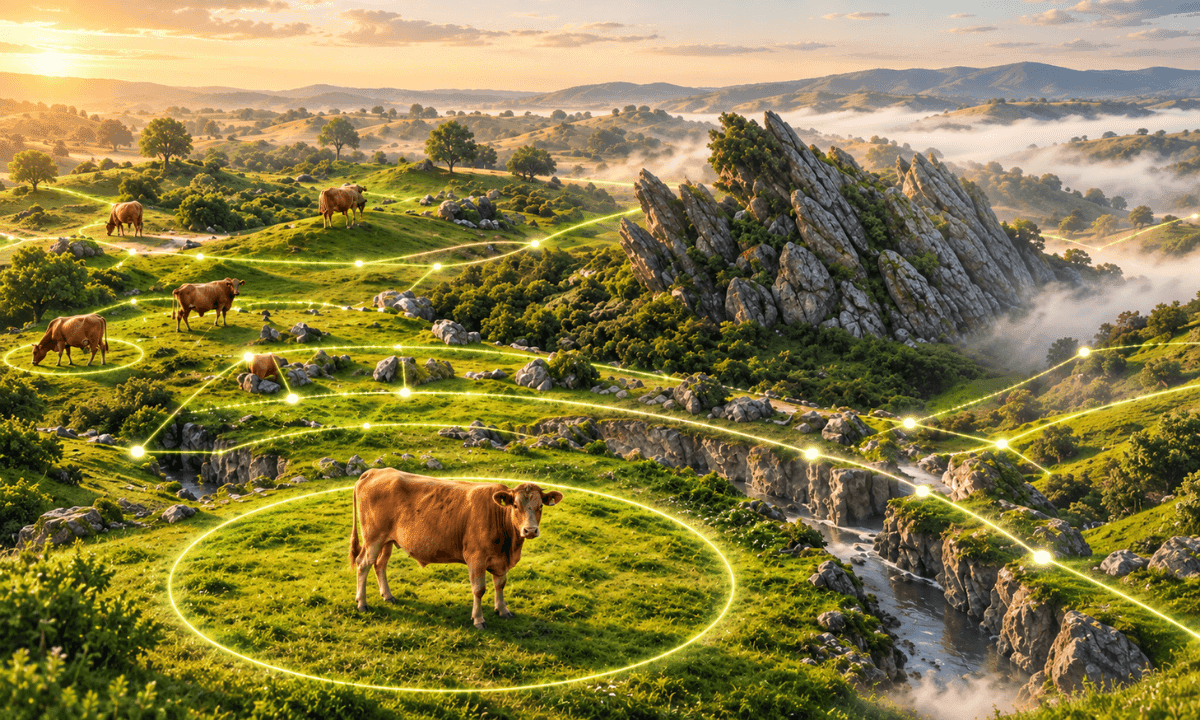
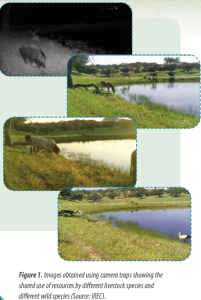
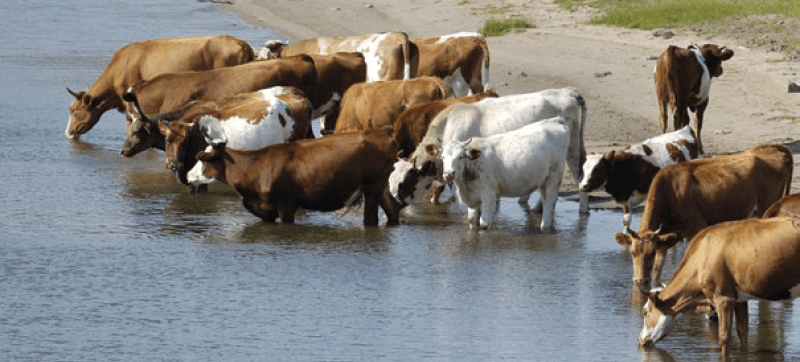
In extensive farming systems, especially in Mediterranean ecosystems such as the dehesa, numerous species share pastures, water points, and refuge areas (see Figure 1 as an example of shared resource use between wildlife and livestock).
 These aggregation sites favor direct and indirect contact among animals and can become critical points for disease transmission (González-Barrio et al., 2022; Herrero-García et al., 2024).
Far from considering biodiversity solely as a conservation element, current research shows that animal community structure can profoundly modify pathogen circulation.
The relative abundance of certain species, host diversity, or the degree of interaction among them can favor or limit the persistence of an infection, depending on the characteristics of each system (Keesing et al., 2010).
NEW TOOLS FOR UNDERSTANDING COMPLEX SYSTEMS
Studying these processes requires methodologies capable of simultaneously characterizing wildlife communities and pathogen circulation without altering the natural functioning of the ecosystem.
Among the tools employed (Barroso et al., 2023), the following stand out:
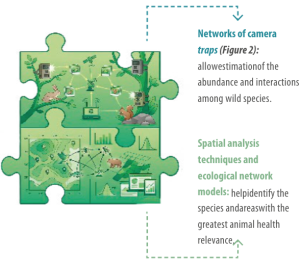
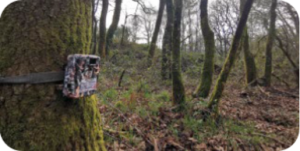
Figure 2. Image of a camera trap in operation.
In recent years, the use of environmental DNA (eDNA) has also gained prominence. This methodology allows for the detection of genetic material released by animals and microorganisms in:
This methodology allows for the detection of genetic material released by animals and microorganisms in:
-
Water
-
Soil
-
Natural surfaces
-
Other environmental matrices
This enables the simultaneous identification of hosts and specific pathogen-associated markers without the need to capture animals (Taberlet et al., 2012; Bass et al., 2023).
|
These approaches form the basis of a new generation of integrated health surveillance programs. Thus, health surveillance no longer relies exclusively on the individual analysis of animals, but instead incorporates information originating from the ecosystem. Combining different information sources provides a much more complete view of the epidemiological functioning of these complex systems. |
SCIENTIFIC EVIDENCE PROVIDED BY THE SaBio GROUP: BIODIVERSITY AND HEALTH
The results obtained in the BioGraz and EcoEpi projects provide new evidence on the functioning of episystems in traditional livestock environments.
Benefits of Grazing
One of the most relevant findings demonstrates the benefits of ruminant grazing.
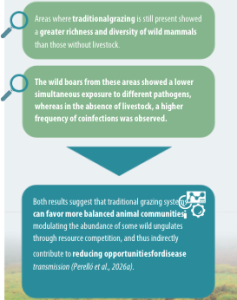
These results challenge the simplistic idea that the presence of livestock necessarily implies an increased health risk. In reality, the effect depends on:
-
How livestock management modifies the structure of animal communities.
-
The ecological interactions that take place within them.
Tuberculosis as a Paradigm of a Multi-Host
Disease Another especially relevant aspect has been the analysis of animal tuberculosis as a classic example of a multi-host disease.
Applying structural equation models, it was observed that the persistence of this disease does not depend exclusively on the abundance of a specific species, but rather on the complete structure of the host community and environmental conditions. |

In particular, red deer abundance and connectivity were associated with greater disease persistence, while climatic variables such as humidity showed an important modulating effect (Perelló et al., 2026b).
These results highlight that health management requires incorporating ecological, climatic, and population factors simultaneously, moving beyond approaches focused exclusively on specific species. |
Epidemiological Surveillance via Environmental DNA
The projects made significant progress in developing methodologies based on environmental DNA for epidemiological surveillance.
The analysis of environmental samples obtained using sponges on natural surfaces (Figure 3) and fecal samples allowed for the detection of a wide diversity of markers related to pathogens present in the environment.
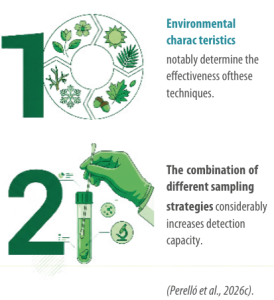
It was verified that:
|
 The results also allowed for the creation of predictive models linking environmental variables with the probability of detecting eDNA, providing an objective basis to optimize future surveillance programs.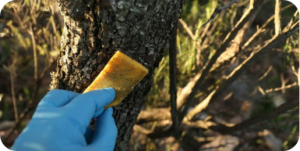
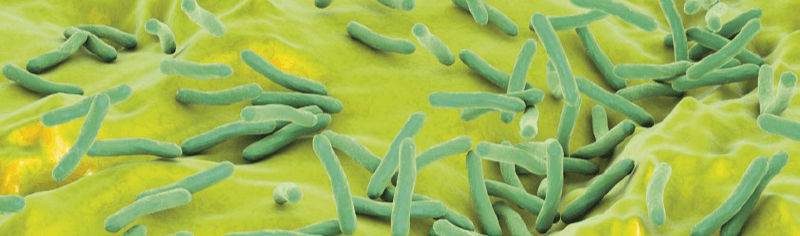
USEFULNESS OF ENVIRONMENTAL MARKERS AS EPIDEMIOLOGICAL INDICATORS
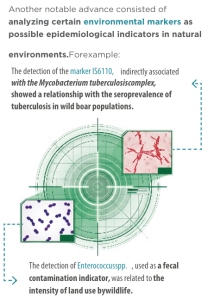
Another standout advance consisted of analyzing certain environmental markers as potential epidemiological indicators in natural environments. For example:
Although these methodologies still require much more validation research and integration into official surveillance programs, the results demonstrate their enormous potential as complementary tools to monitor biodiversity and environmental pathogens simultaneously.
BIOMARKER IDENTIFICATION
Finally, these projects allowed for the identification of new biomarkers capable of complementing traditional health surveillance systems.
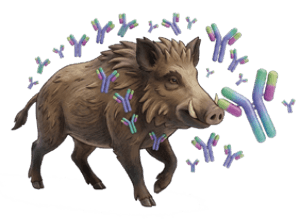
Among them, the immune response against the carbohydrate α-Gal stands out; its levels in wild boars showed a consistent association with the richness of individual exposure to various pathogens.
Although this biomarker does not replace specific diagnostic techniques, it could become an additional indicator of general health status in wild populations.
FROM RESEARCH TO MANAGEMENT: APPLICATIONS FOR EXTENSIVE LIVESTOCK FARMING
Beyond scientific interest, the results obtained offer relevant practical applications for the health management of livestock systems.
They reinforce the need to approach epidemiological surveillance from an integrated perspective, jointly considering livestock, wildlife, and the environment.
 This approach helps identify sentinel species, critical transmission points, and environmental factors conditioning pathogen maintenance, facilitating the design of more effective preventive strategies.
Non-invasive methodologies based on environmental DNA represent a promising alternative to complement conventional surveillance systems. Their application can:
 Reduce sampling effort.
Expand spatial coverage.
Provide information on environmental contamination or the circulation of multiple pathogens even when direct detection of infected animals is difficult.
The integration of these data with information from camera trapping, population indicators, or immune biomarkers will allow for the development of increasingly precise monitoring programs, helping to anticipate risk situations and optimize biosecurity measures. |
Ultimately, understanding how biodiversity, animal communities, and the environment interact constitutes an essential tool for advancing toward more sustainable livestock systems.

The evidence generated by the SaBio group through the BioGraz and EcoEpi projects demonstrates that the conservation of functional ecosystems and the improvement of animal health are not conflicting objectives, but rather complementary elements of the same strategy framed under the One Health approach.
Bibliography
Barroso P, Relimpio D, Zearra JA, Cerón JJ, Palencia P, Cardoso B, Ferreras E, Escobar M, Cáceres G, López-Olvera JR, Gortázar C (2023) Using integrated wildlife monitoring to prevent future pandemics through One Health approach. One Health. 16:100479. doi:10.1016/j.onehlt.2022.100479.
Bass D, Christison KW, Stentiford GD, Cook LSJ, Hartikainen H (2023) Environmental DNA/RNA for pathogen and parasite detection, surveillance, and ecology. Trends Parasitol. 39(4):285–304. doi: 10.1016/j.pt.2022.12.010.
Bremer LL, Nathan N, Trauernicht C, Pascua P, Krueger N, Jokiel J, et al. (2021) Maintaining the many societal benefits of rangelands: The case of Hawaiʻi. Land. 10(7):764. doi: 10.3390/land10070764.
Cravino A, Perelló A, Brazeiro A (2024) Livestock–wildlife interactions: Key aspects for reconnecting animal production and wildlife conservation. Anim Front. 14(1):13–19. doi: 10.1093/af/vfad069.
González-Barrio D, Carpio AJ, Sebastián-Pardo M, Peralbo-Moreno A, Ruiz Fons F (2022) The relevance of the wild reservoir in zoonotic multi-host pathogens: The links between Iberian wild mammals and Coxiella burnetii. Transbound Emerg Dis. 69(6):3868–3880. doi: 10.1111/tbed.14758.
Gortázar C, de la Fuente J, Perelló A, Domínguez L (2023) Will we ever eradicate animal tuberculosis? Ir Vet J. 76(Suppl 1):24. doi: 10.1186/s13620-023-00254-9.
Godde CM, Boone RB, Ash AJ, Waha K, Sloat LL, Thornton PK, Herrero M (2020) Global rangeland production systems and livelihoods at threat under climate change and variability. Environ Res Lett. 15:044021. doi: 10.1088/1748-9326/ab7395.
Hassell JM, Newbold T, Dobson AP, Linton YM, Franklinos LHV, Zimmerman D, Pagenkopp Lohan KM (2021) Towards an ecosystem model of infectious disease. Nat Ecol Evol. 5(7):907–918. doi: 10.1038/s41559-021-01454-8.
Herrero-García G, Pérez-Sancho M, Barroso P, Herranz-Benito C, Relimpio D, García-Seco T, Perelló A, Díez-Guerrier A, Pozo P, Balseiro A, Domínguez L,
Gortázar C (2024) One Health Farming: Noninvasive monitoring reveals links between farm vertebrate richness and pathogen markers in outdoor hoofstock. One Health. 19:100924. doi: 10.1016/j.onehlt.2024.100924.
Keesing F, Belden LK, Daszak P, Dobson A, Harvell CD, Holt RD, Hudson P, Jolles A, Jones KE, Mitchell CE, Myers SS, Bogich T, Ostfeld RS (2010) Impacts of biodiversity on the emergence and transmission of infectious diseases. Nature. 468(7324):647–652. doi:10.1038/nature09575.
Perelló A, Barroso P, López-Olvera JR, Relimpio D, Marín-Rojo Á, Escobar M, et al. (2026a) Biodiversity and pathogen dynamics in traditionally managed livestock systems. J Environ Manage. 407:129842. doi:10.1016/j.jenvman.2026.129842.
Perelló A, Sánchez-Cesteros J, Barroso P, Relimpio D, Lizana V, Balseiro A, et al. (2026b) Climate and mammal host community characteristics drive tuberculosis maintenance at the wildlife–livestock interface. One Health. 22:101334. doi:10.1016/j.onehlt.2026.101334.
Perelló A, Smoglica C, González-Crespo C, Pérez-Sancho M, González-Barrio D, Herranz C, et al. (2026c) Tracking pathogen-related markers with eDNA in natural areas: How environmental factors shape surveillance strategies. Vet Res. doi: 10.1186/s13567-026-01746-6.
Taberlet P, Coissac E, Hajibabaei M, Rieseberg LH (2012) Environmental DNA. Mol Ecol. 21(8):1789–1793. doi: 10.1111/j.1365-294X.2012.05542.x.
Xavier P, Perelló A, Luque-Castro V, Relimpio D, Barroso P, Almeida V, et al. (2026) Host community traits driving Crimean-Congo haemorrhagic fever virus maintenance in Iberian ecosystems. Transbound Emerg Dis. 2026:1152849. doi:10.1155/tbed/1152849
You may be interested in: Health surveillance in extensive cattle farming: Challenges
Continue reading this content
Register for free or log in to access all rumiNews content.